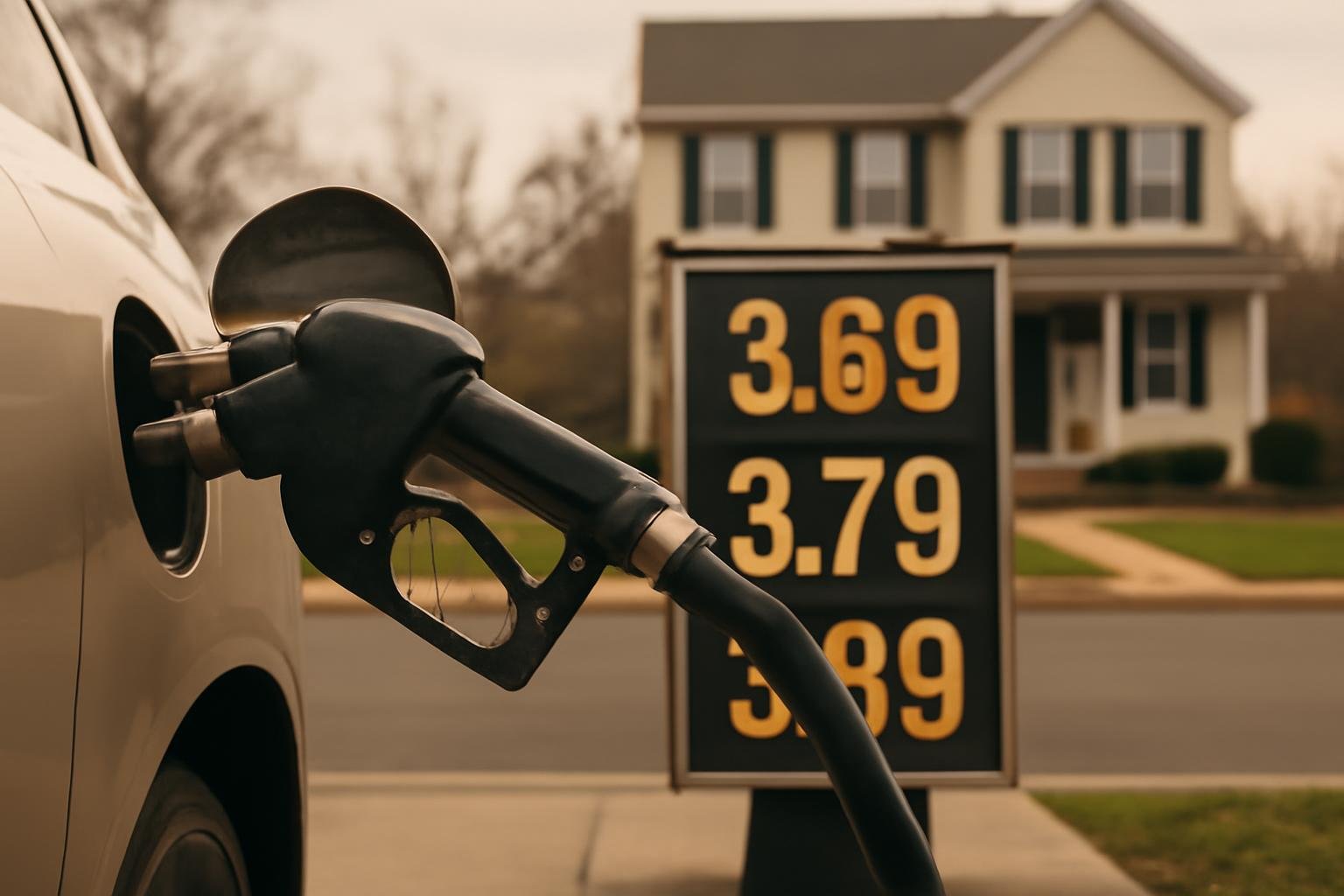
The New Jersey gas tax impact is drawing attention as state officials consider another adjustment to gasoline and diesel taxes. These taxes help support the state’s Transportation Trust Fund. Higher fuel costs can affect household budgets, commuting decisions, and overall housing affordability.
For New Jersey homebuyers, homeowners, and real estate investors, understanding potential changes can help with long-term financial planning.
Current state tax rates stand at 49.1 cents per gallon for gasoline and 56.1 cents for diesel. Meanwhile, gasoline prices have hovered around $4.10 per gallon in New Jersey, with diesel averaging approximately $6.33 per gallon.
A potential tax adjustment could take effect on January 1, depending on the results of the state’s annual assessment process. These figures reflect the reporting period and may change.
New Jersey Gas Tax Impact: What It Means for Homebuyers and Homeowners
For homebuyers and first-time buyers, fuel costs can influence decisions about commute times, neighborhood appeal, and monthly expenses.
Even a modest gas tax increase can affect a household’s budget over time. This is especially relevant in suburban and rural communities, where residents often depend on personal vehicles.
For example, buyers comparing two homes may consider more than mortgage payments and property taxes. They may also calculate commuting expenses, transportation options, and access to nearby services.
Homeowners with long commutes face similar considerations. As transportation expenses rise, some buyers may place greater value on properties closer to employment centers or public transportation.
However, fuel prices represent only one factor in housing decisions. Mortgage rates, property taxes, home prices, and household income generally play more significant roles in determining affordability.
Implications for Real Estate Markets and Property Values
New Jersey uses fuel tax revenue to support transportation infrastructure, including roads and bridges. Reliable infrastructure can benefit communities by improving accessibility and supporting daily transportation needs.
For residential neighborhoods, road conditions and transportation connections may influence convenience and neighborhood appeal.
Commercial properties also depend on transportation networks. Retail businesses, distribution facilities, and service providers often rely on accessible roads and predictable transportation costs.
However, higher fuel taxes do not automatically translate into lower property values. Local housing demand, employment opportunities, available inventory, and financing conditions remain important market influences.
Additionally, infrastructure investments may provide longer-term benefits that help offset some transportation-related costs.
Organizations such as the Tax Foundation publish comparisons of state fuel taxes. These comparisons provide useful context for understanding New Jersey’s broader cost environment.
Still, statewide rankings cannot predict how individual neighborhoods or property values will respond to a tax adjustment.
For buyers and investors, the more practical approach is to evaluate transportation expenses alongside housing costs and local market conditions.
Practical Considerations for Buyers and Sellers
Transportation costs deserve attention when evaluating a home purchase, preparing to sell, or analyzing an investment property.
Here are several considerations:
- Review monthly expenses. Include estimated gasoline costs when calculating total housing affordability. Even small changes can add up for households with substantial commuting needs.
- Compare commuting options. Consider travel distances, public transportation, traffic patterns, and access to everyday services.
- Evaluate property accessibility. If you’re selling a home, accurate information about nearby transportation options can help buyers assess convenience.
- Consider investment expenses. Residential and commercial investors should review how transportation costs may affect operating budgets and tenant preferences.
These considerations can help buyers and property owners make more informed decisions.
Nevertheless, a potential gas tax increase should not become the sole reason to buy, sell, or relocate. Housing decisions require a broader assessment of financial circumstances and long-term priorities.
Keeping an Eye on the Numbers
New Jersey’s annual assessment process helps determine whether a fuel tax adjustment is necessary for the upcoming year.
The assessment deadline is November 15, with announcements typically expected in early December.
Therefore, residents should monitor official announcements before assuming that a proposed adjustment will take effect.
It is also important to distinguish between fuel taxes and retail gasoline prices. State taxes represent only one component of the price consumers pay at the pump. Other factors can influence fuel prices independently of state tax policy.
For New Jersey households, transportation expenses remain one part of the broader affordability picture.
Ultimately, understanding these costs alongside mortgage payments, property taxes, insurance, and maintenance can support better financial planning.
Source: NJ Spotlight News — Gas prices remain high, as NJ officials weigh another gas tax hike.
Disclaimer: This article provides general information about New Jersey fuel taxes and their potential relationship to housing and transportation costs. It is not intended as financial, legal, tax, or lending advice. Readers should consult appropriate professionals for guidance regarding their individual circumstances.